
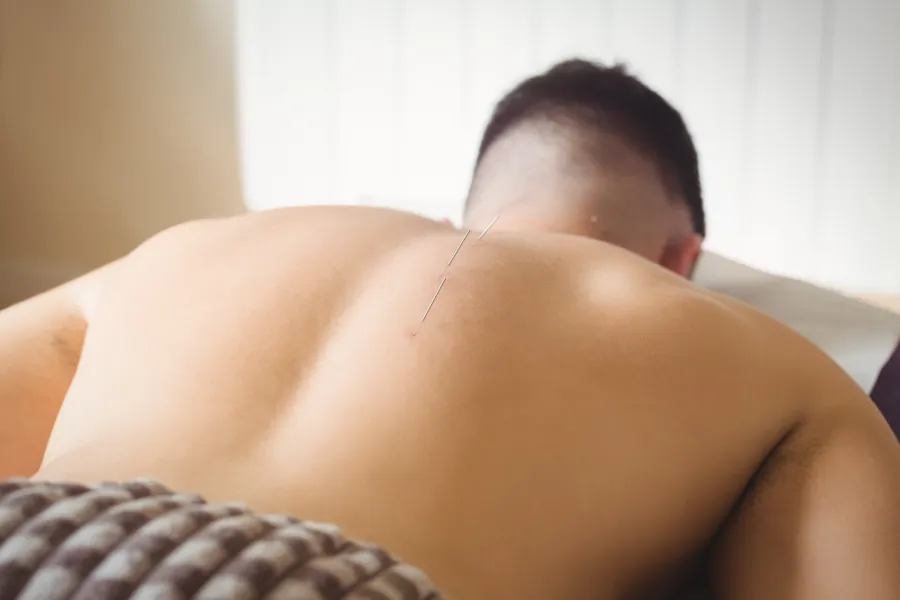
Acupuncture is widely used to support pain relief, stress reduction, and overall wellbeing. But what many people don’t realise is that what you do after acupuncture can influence how effective your treatment is. That’s why a common question patients ask is: what not to do after acupuncture?
Acupuncture works by encouraging your body’s natural healing response. After treatment, your body continues to rebalance—sometimes for hours or even days. Following simple aftercare guidelines helps you get the most benefit from your session and supports a smoother recovery.
This guide explains what to avoid after acupuncture and why these recommendations matter.
Why Aftercare Matters in Acupuncture?
From a Traditional Chinese Medicine (TCM) perspective, acupuncture helps regulate the flow of Qi (energy) and blood in the body. After treatment, your nervous system is often in a more relaxed, responsive state.
Certain activities can interrupt this process, which is why aftercare plays an important role in treatment outcomes—especially if you’re receiving acupuncture for pain, stress, or chronic conditions.
1. Don’t Do Strenuous Exercise Immediately After Acupuncture
One of the most important things not to do after acupuncture is intense physical activity straight away.
Avoid:
- Heavy workouts
- High-intensity training
- Long runs or heavy lifting
Strenuous exercise can overstimulate the body and counteract the calming, restorative effects of acupuncture. Light movement such as walking or gentle stretching is usually fine, but it’s best to rest for the remainder of the day when possible.
2. Don’t Consume Alcohol After Acupuncture
Alcohol can interfere with the body’s healing response after acupuncture.
After treatment, alcohol may:
- Reduce circulation benefits
- Increase dehydration
- Mask subtle post-treatment sensations
- Place additional strain on the liver
For best results, it’s recommended to avoid alcohol for at least 24 hours after acupuncture.
3. Don’t Skip Meals or Eat Heavy, Greasy Foods
Your body uses energy to respond to acupuncture treatment. Skipping meals or eating overly heavy foods can disrupt this process.
Avoid:
- Skipping meals entirely
- Excessively greasy or processed foods
- Overeating immediately after treatment
Instead, choose light, nourishing meals and stay well hydrated to support recovery.

4. Don’t Take Cold Showers or Use Ice Straight Away
Cold exposure immediately after acupuncture is generally discouraged.
Cold showers, ice packs, or swimming in cold water can:
- Constrict blood flow
- Counteract circulation improvements
- Interfere with the body’s warming response
If you need to manage soreness, speak with your practitioner first. Gentle warmth is often preferred after treatment.
5. Don’t Ignore How Your Body Feels
Some people experience mild, temporary effects after acupuncture, such as:
- Fatigue or sleepiness
- Emotional release
- Mild soreness at needle sites
These responses are usually normal and short-lived. What you should not do is push through discomfort or ignore signals your body is giving you. Resting and listening to your body supports better treatment outcomes.
6. Don’t Stress or Rush Immediately After Treatment
Acupuncture often places the nervous system into a relaxed state. Rushing straight back into stressful situations can reduce the benefits of treatment.
If possible:
- Allow some quiet time after your session
- Avoid high-stress tasks immediately afterward
- Give your body time to settle
Even a short period of calm can help extend the positive effects of acupuncture.
7. Don’t Expect Instant Results Every Time
Another important thing not to do after acupuncture is assume that results should always be immediate. While some people feel relief right away, others notice gradual improvements over several sessions.
Acupuncture works cumulatively, especially for:
- Chronic pain
- Stress-related conditions
- Hormonal or digestive concerns
Patience and consistency are key.
What Should You Do After Acupuncture?
While this guide focuses on what not to do after acupuncture, helpful aftercare habits include:
- Drinking plenty of water
- Eating balanced, nourishing meals
- Getting adequate rest
- Keeping warm
- Noting any changes or reactions
These practices help your body integrate the treatment more effectively.
Personalised Aftercare Matters
Aftercare recommendations can vary depending on:
- Your condition
- The type of acupuncture treatment
- Your overall health
At Yihong Acupuncture, patients receive personalised aftercare advice based on their individual treatment plan. This tailored approach helps ensure comfort, safety, and better long-term results.
So, What Not To Do After Acupuncture?
To summarise, avoid:
- Intense exercise
- Alcohol consumption
- Cold exposure
- Heavy or skipped meals
- High stress or rushing
- Ignoring your body’s signals
Following these simple guidelines helps maximise the benefits of acupuncture and supports your body’s natural healing response.
Supporting Your Healing Journey
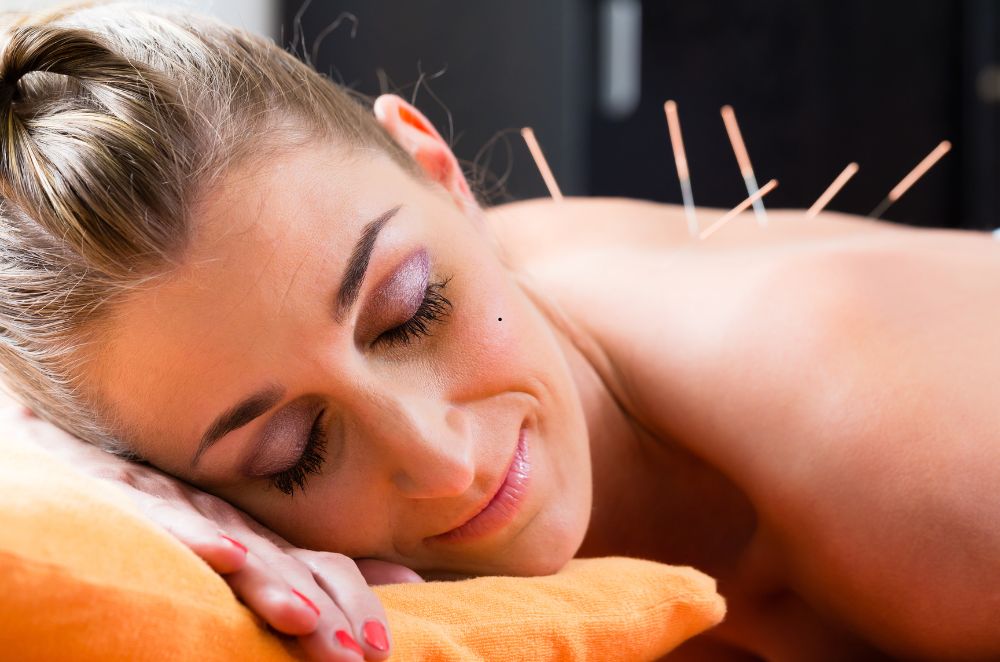
Acupuncture doesn’t end when the needles are removed—the aftercare period is an important part of the process. By knowing what not to do after acupuncture, you can support better outcomes and a smoother recovery.
If you’re considering acupuncture or have questions about aftercare, Yihong Acupuncture provides patient-focused care and clear guidance every step of the way.
Learn more or book an appointment at:
👉 https://adelaideacupuncture.com.au/