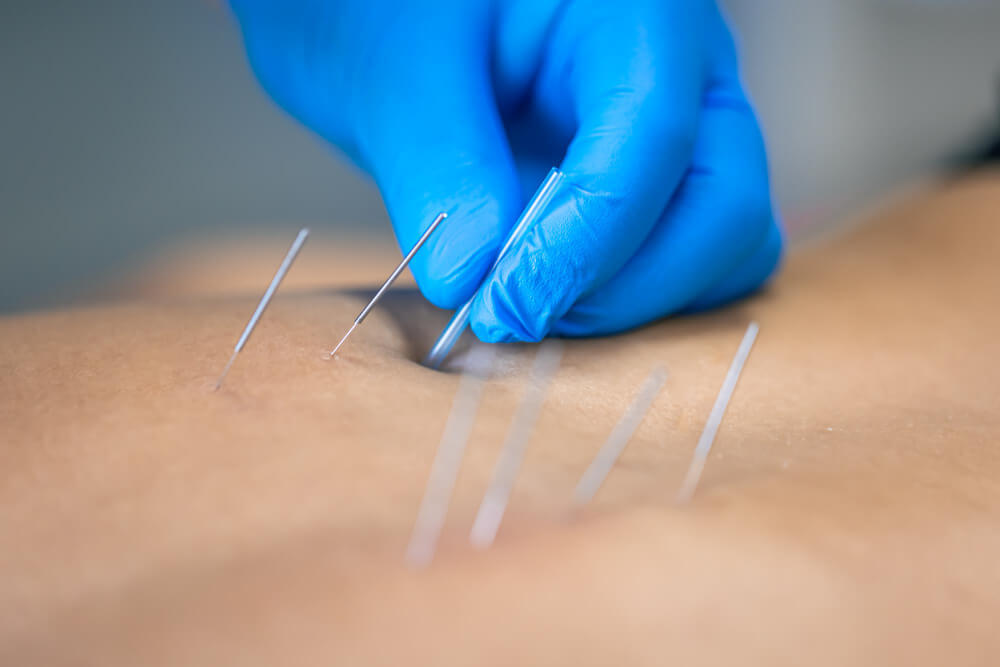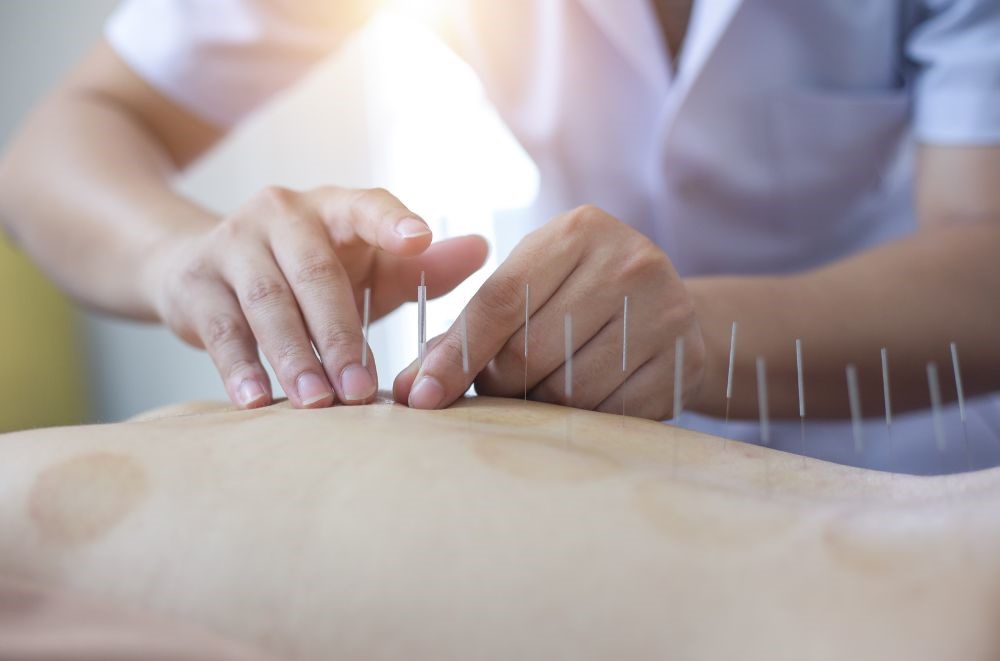

Can acupuncture help you lose weight? Learn about a natural way of doing things.

Many people have difficulties keeping their weight under control. They often attempt different diets, workout plans, or prescription medicines, but they don’t always succeed. More and more people are interested in natural and holistic ways to stay healthy, and acupuncture has become popular as a possible addition to traditional weight loss methods. But how does it function, and is there any proof that it does? 

This blog looks at whether acupuncture can help people lose weight. At Yi Hong Acupuncture Clinic in Adelaide, we’ll talk about how acupuncture fits into a bigger strategy for health, what might be happening in the body that makes it work, and what to expect from treatment. 

Understanding Acupuncture’s Role in Holistic Health

Acupuncture is a well-known treatment in Traditional Chinese Medicine (TCM) that includes carefully inserting sterile, ultra-fine needles into specific sites on the body. These points are thought to affect the body’s balance, organ function, and Qi flow. In terms of modern medical language, acupuncture may help with weight management by balancing the body’s systems, such as the nervous, endocrine, and digestive systems. Acupuncture alone won’t help you lose weight quickly, but it can be quite helpful when used with other healthy choices.

acupuncture lose weight

Does acupuncture help people lose weight?

The short answer is that it may support weight loss when combined with diet, movement, and other healthy habits. 

Acupuncture can’t take the place of a good diet or regular exercise, but studies and clinical experience suggest that it might:

  • Control hunger and make you want food less. 
  • Help with digestion and intestinal health 
  • Manage your stress and emotional eating. 
  • Make your sleep better. 
  • affect metabolism and hormone balance

At Yi Hong Acupuncture Clinic, we help clients who wish to lose weight in a healthy and balanced way while also improving their overall health.

How Acupuncture Can Help You Control Your Weight

Knowing what risk factors are will help with early intervention and effective management of nerve pain. 

1. Appetite Regulation

Some acupuncture points, especially those on the ear (auricular acupuncture), are thought to affect hunger signals. Touching these spots may make you less hungry and less likely to want processed or sugary foods.

2. Digestive Function

According to traditional Chinese medicine (TCM), acupuncture may help keep the stomach and spleen meridians healthy. These meridians are linked to digestion and nutrition absorption. Better digestion can help you use energy more effectively and prevent bloating or fluid retention.

3. Feelings, Stress, and Eating. 

Stress can make you gain weight, especially in your stomach. Acupuncture may help lower cortisol levels, calm anxiety or emotional distress, and balance the neurological system. All of these things can make people eat for comfort. 

4. Hormone Balance

If you have hormonal disorders like PCOS, insulin resistance, or thyroid difficulties, it may be harder to lose weight. Acupuncture may assist in balancing hormones and supporting the endocrine system, but it is not a cure.

5. Better Sleep

Sleep is important for healing, controlling hunger, and metabolism.

Acupuncture may help with weight control by indirectly helping people sleep better and longer. 

acupuncture control weight

What the Researchers Found

There is some evidence that acupuncture may help people lose weight, but further research is needed.

Acupuncture can be a helpful extra therapy in a full plan to lose weight, but it shouldn’t be the only way to lose weight.

What to Look Forward to at the Yi Hong Acupuncture Clinic

At our Adelaide clinic, we tailor each acupuncture session to your needs, goals, and medical history. During your consultation, we’ll talk about possible reasons why you could be holding onto weight, like hormones, stress, sleep, and digestion. 

Depending on your needs, your treatment plan may include the following:

  • Acupuncture applied to the body can help modulate the digestive and metabolic systems. 
  • Acupuncture in the ears can help with cravings and hunger. 
  • This advice includes drinking plenty of water, moving at a slow pace, and being mindful of your food choices.

We focus on creating a practical, balanced, and long-lasting plan to help people stay healthy over the long run instead of just getting quick results.

Advice on how to live a healthy lifestyle for complementary activities

To get the most out of acupuncture for weight loss,

  • We recommend eating whole foods that are high in fibre, lean meats, veggies, and healthy fats. 
  • Exercise often, such as weight training, yoga, or walking. 
  • Using mindful eating to build a healthy relationship with food 
  • Sleep hygiene and staying hydrated are important for good metabolic health. 
  • Stress-reduction practices like meditation or breathing exercises can also help. 

This integrated approach helps the body heal, reset, and work better over time. 

acupuncture help lose weight

In the end, does acupuncture help you lose weight?

Acupuncture isn’t a cure-all, but it might help with managing hunger, lowering stress, improving digestion, and overall health. When combined with healthy lifestyle changes, it can be a useful tool for managing your weight. 

At Yi Hong Acupuncture Clinic in Adelaide, we offer full, scientifically backed treatment focusing on your specific health goals. We can help you if you want to try acupuncture as a natural way to lose weight. Make an appointment for your consultation right now to start on the road to a healthier, more balanced you.

Can acupuncture help with nerve pain? Looking into natural ways

Millions of people have nerve pain, sometimes called neuropathic pain, which can make it hard to go about their regular lives. It can be caused by diabetes, infections, trauma, or bad reactions to drugs. People often say it feels like burning, tingling, numbness, or acute shooting pain. 

Individuals often use pharmaceuticals to address their symptoms, but more and more individuals are looking towards complementary and natural therapies, like acupuncture, as part of a bigger plan to deal with pain.

Understanding Nerve Pain

Nerve pain occurs when damaged, crushed, or dysfunctional nerves send incorrect or intensified pain signals to the brain. Neuropathic pain usually lasts longer and is harder to treat with normal pain treatment methods than muscle or joint pain.

acupuncture help nerve pain

What causes Nerve Pain, and what are its Symptoms?

Nerve pain can be caused by several diseases or injuries that damage nerves. It might be mild or severe, and it often lasts a long time. 

Some common causes are

  • Diabetes: This condition often causes diabetic neuropathy, which affects the hands and feet. 
  • Sciatica is discomfort that starts in the lower back and spreads down the leg because of nerve compression. 
  • Shingles (postherpetic neuralgia) is nerve discomfort that lasts after a shingles outbreak. 
  • Injury or surgery—Trauma or surgery can injure nerves and create pain that lasts a long time. 
  • Chemotherapy: Some cancer therapies can cause neuropathy, which is caused by chemotherapy. 
  • Autoimmune illnesses, including lupus or multiple sclerosis, can damage nerve tissue. 

Some common signs are

  • Feeling like you’re on fire or stabbing numbness
  • tingling, or “pins and needles”
  • Being too sensitive to touch or heat
  • Pain that feels like an electric jolt
  • Weakness or less coordination in the areas that are affected 

These symptoms may constantly happen or only sometimes, and they can make it hard to sleep, move around, and feel comfortable.

Risk Factors and Diagnosis

Knowing what risk factors are will help with early intervention and effective management of nerve pain. 

Things that make you more likely to get sick are

  • Long-term illnesses like diabetes, renal disease, and thyroid problems
  • Infections caused by viruses, such as HIV or shingles, and long-term alcohol usage can cause nerve damage and nutritional shortages. 
  • Being around poisons or some drugs 
  • Nerve compression can happen because of bad posture, repetitive strain, or trauma. 
  • Ageing (the inevitable breakdown of nerves over time)
acupuncture nerve pain

How do Doctors figure out if you have Nerve Pain?

A full approach is frequently used to make a diagnosis:

  • Review of medical history, which includes past illnesses, treatments, and symptoms 
  • Neurological exam—checking reflexes, muscle strength, and feeling
  • Diagnostic tests can include nerve conduction investigations, EMG, or MRI scans.
  • Blood tests to find deficits or diseases that affect the whole body, like diabetes

To find out if acupuncture for nerve pain can be a beneficial addition to your care plan, you need to have the right diagnosis.

Can Acupuncture Help with Nerve Pain?

Many people are turning to acupuncture as a natural, drug-free alternative when typical pain treatment approaches don’t work or have bad side effects. Acupuncture is an important part of Traditional Chinese Medicine (TCM). To help the body heal and stay in equilibrium, sterile, ultra-fine needles are carefully put into certain spots on the body. At Yi Hong Acupuncture Clinic in Adelaide, we often help people with different kinds of nerve pain by giving them a personalised, research-based treatment plan.

How Acupuncture Helps with Nerve Pain

Acupuncture may help ease nerve pain through several bodily processes:

1. Control of the Nervous System

Acupuncture may help manage pain by lowering overactive nerve signals in the central and peripheral nervous systems.

2. Release of Endorphins

In addition to making you feel better and less stressed, therapy can also help your body release endorphins, which are chemicals that naturally relieve pain. 

3. Lessening of inflammation

Some nerve discomfort is linked to inflammation. It has been reported that acupuncture lowers inflammatory markers, which may make you feel better.

4. More blood flow

Increased blood flow may help a natural recovery by helping to heal tissues and feed injured nerves. 

Clinical studies show that many people with sciatica, peripheral neuropathy, and postherpetic neuralgia had reduced pain and better function after getting acupuncture.

nerve pain acupuncture

Natural Ways to Treat Nerve Pain

Acupuncture is one natural way to aid with nerve pain, but there are others as well:

  • Nutritional support, especially foods high in vitamin B12, magnesium, and anti-inflammatory properties 
  • Meditation, mindfulness, or tai chi are all mind-body techniques that can help reduce stress. 
  • To stay flexible and lower tension, do mild exercise and stretching. 
  • Topical treatments, including herbal balms or essential oils, can help with mild pain. 
  • Changes to your lifestyle—better posture and ergonomic assistance can help ease nerve pain. 

These treatments can work with acupuncture to make a more complete and long-term plan for managing pain.

To Sum Up

If you want a natural, non-invasive way to relieve persistent nerve pain, acupuncture can be a good choice. Acupuncture can help you get better by improving blood flow, reducing inflammation, and calming the nervous system. 

We at Yi Hong Acupuncture Clinic offer personalised care that is founded on knowledge and kindness. We encourage you to find out more about how acupuncture can help your health. Set up your consultation now to start on the road to natural, long-lasting relief.

Embrace Your Inner Oasis: Dry Needling and Acupuncture for Stress and Anxiety

In today’s pressure cooker world, stress and anxiety are unwelcome guests who often overstay their welcome. If you’re searching for natural and effective ways to manage these conditions and reclaim your inner sanctuary, dry needling and acupuncture may be the keys you’ve been looking for.

While distinct in their origins and techniques, these two therapies share a common goal: to restore balance and promote well-being by stimulating specific points in the body. Let’s explore how these ancient practices can help you find relief in our modern world.

Dry needling Service

Stress and Anxiety: Understanding the Unwelcome Visitors

Before we explore the benefits of dry needling and acupuncture, let’s take a closer look at stress and anxiety.

  • Stress is your body’s natural response to challenges. Work deadlines, relationship troubles, financial worries, and big life changes can all trigger stress. While a little stress can be motivating, chronic stress wreaks havoc on your mind and body. It can cause sleepless nights, digestive issues, a weakened immune system, and even a higher risk of serious illness, such as heart disease.
  • Anxiety: Anxiety is that feeling of worry or nervousness that creeps in, often about things that might happen. It can show up as constant worry, racing thoughts, difficulty concentrating, and physical signs like tense muscles, a pounding heart, and an upset stomach. When anxiety takes over and disrupts your daily life, it might be an anxiety disorder.

Dry Needling or Acupuncture: Choosing Your Path to Calm

Which path you choose – dry needling or acupuncture – depends on your individual needs and the root of your stress and anxiety.

Dry Needling VS Acupuncture
  • Dry Needling: Imagine those knots you feel in your muscles – those are trigger points. Dry needling targets these points with thin needles to release tension, improve blood flow, and reduce pain. It’s a great option for muscle pain, sports injuries, headaches, and when muscle tension fuels your stress.
  • Acupuncture: Acupuncture takes a whole-body approach, rooted in the ancient wisdom of Traditional Chinese Medicine (TCM). It aims to restore the balance of your body’s energy, known as Qi. Qi flows along pathways in your body, and when this flow is blocked, it can cause problems like pain, illness, and emotional imbalances. Acupuncture uses hair-thin needles to stimulate specific points along these pathways, getting your energy flowing smoothly again. This helps with stress, anxiety, and a whole host of other health concerns.

Dry Needling for Stress: Untangling the Tension

Dry needling can be a powerful tool for managing stress, especially when muscle tension is a major player.

  • Muscle Relaxation: Stress often causes tight knots in your muscles, especially in your neck, shoulders, and back. Dry needling releases this tension, helping you relax and find relief from pain. This can, in turn, reduce stress and anxiety.
  • Improved Sleep: Tense muscles and pain can make it hard to get a good night’s sleep. Dry needling can improve your sleep quality by easing muscle tension, leading to better stress management and reduced anxiety.
  • Stress Hormone Reduction: Dry needling can lower cortisol, a hormone your body produces when you’re stressed. Lowering cortisol can help you feel calmer and more balanced.

Acupuncture for Anxiety: Finding Your Inner Balance

Acupuncture takes a holistic approach to managing stress and anxiety, aiming to restore balance and harmony within your body.

  • Calming the Nervous System: Acupuncture is a gentle way to help balance your nervous system, the part of your body that manages your stress responses. By doing so, it can really ease those pesky anxiety symptoms, such as racing thoughts, a racing heartbeat, and even sweating.
  • Easing Worry and Anxiety: Acupuncture has been shown to reduce anxiety and worry, helping you feel calmer and more at ease.
  • Boosting Your Mood: Acupuncture can lift your spirits by increasing the production of feel-good chemicals in your brain, like serotonin and dopamine.
  • Restoring Energy Flow: Stress and anxiety can disrupt the flow of Qi in your body. Acupuncture helps restore this flow, leading to relaxation, stress reduction, and a greater sense of well-being.

Combining Forces: Dry Needling and Acupuncture

Dry needling and acupuncture can be used on their own or together for a more comprehensive approach to managing stress and anxiety.

Finding Your Way to Calm: Important Considerations

image 2

  • Find a Qualified Practitioner: For safe and effective treatment, it’s crucial to find a qualified and experienced practitioner.
  • Be Patient: These therapies aren’t quick fixes. It might take a few sessions to see real improvement.
  • Embrace a Healthy Lifestyle: For the best results, combine dry needling and acupuncture with healthy habits like exercise, stress management techniques (meditation, yoga, deep breathing), and good nutrition.

Ready to Unlock Your Inner Oasis?

Dry needling and acupuncture offer a powerful combination to combat stress and anxiety. Whether you’re looking to release muscle tension, quiet your mind, or restore your body’s natural balance, these therapies can help you find your inner peace. Ready to give it a try? Find a qualified practitioner and start your journey toward a calmer, more balanced you!

Aims to Reclaim Your Calm?

Dry needling and acupuncture offer a powerful one-two punch to combat stress and anxiety. Whether you’re looking to release those tight muscles, quiet your mind, or restore your body’s natural balance, these therapies can help you find your inner peace.

Recap: The Benefits of Dry Needling and Acupuncture for Stress and Anxiety:

  • Dry Needling: Targets those pesky knots in your muscles, easing tension and pain. It’s like a reset button for your body, helping you relax and sleep better.
  • Acupuncture: A whole-body approach that gets your energy flowing smoothly again. It calms your nervous system, reduces worry, lifts your mood, and restores inner harmony.

Dry Needling in Adelaide: What is it and how can it help me?

Are you experiencing persistent muscle pain or tightness? Have you heard whispers about dry needling but aren’t quite sure what it entails? This article will shed light on dry needling, its benefits, and how it can help you achieve relief and restore your body’s natural function.

Dry Needling Therapy: An Effective Solution for Workplace Wellness

Dry needling is a modern, evidence-based treatment technique used by skilled practitioners to address musculoskeletal pain and dysfunction. It involves inserting fine, sterile needles into specific points within muscles, known as myofascial trigger points. These trigger points are often the source of localised pain and can contribute to restricted movement and discomfort.

Benefits for Businesses:

  • Increased productivity: By addressing musculoskeletal pain, dry needling can help employees return to work faster and perform at their best.
  • Reduced healthcare costs: Dry needling can help prevent the need for more invasive and expensive treatments, such as surgery.
  • Improved employee morale: Investing in employee wellness demonstrates a commitment to their well-being, which can boost morale and job satisfaction.

Integrating Dry Needling into Workplace Wellness Programs

Business owners can consider incorporating dry needling into their employee wellness programs. This can be achieved through:

  • On-site dry needling services: Partnering with a qualified practitioner to provide on-site dry needling sessions for employees.
  • Subsidised treatments: Offering employees financial assistance to cover the cost of dry needling treatments.
  • Educational workshops: Conducting workshops to educate employees about the benefits of dry needling and how it can address workplace-related pain and discomfort.

Dry Needling in the Adelaide CBD: A Convenient Solution for Employee Wellness

At Adelaide Acupuncture, our experienced practitioners utilise dry needling to release muscle tension, reduce pain, and improve overall mobility. Located conveniently in the Adelaide CBD, our clinic offers a welcoming and professional environment where your employees can experience the benefits of this effective treatment modality.

Accessibility and Convenience for Busy Professionals

Our central location in the Adelaide CBD makes it easy for your employees to access our clinic during their workday or after office hours. We understand the demands of a busy work schedule and strive to provide convenient appointment times to minimise disruption to your employees’ daily routines.

Creating a Healthier and More Productive Workforce

Offering your employees access to dry needling services, you demonstrate a commitment to their health and well-being. Dry needling can help address common workplace-related musculoskeletal issues, such as:

  • Neck and shoulder pain from prolonged computer use
  • Back pain from sedentary work habits
  • Headaches and migraines related to stress
  • Repetitive strain injuries from repetitive tasks

Addressing these issues, you can help your employees:

  • Reduce pain and discomfort
  • Improve mobility and flexibility
  • Enhance productivity and focus
  • Reduce absenteeism due to pain

Investing in your employees’ well-being can lead to a healthier, happier, and more productive workforce.

Dry Needling Near Me (Adelaide): Convenient Access for Your Employees

If your employees are searching for “dry needling near me” in Adelaide, look no further. Our central location makes it easy for individuals across the city to access our expert services. We’re committed to providing personalised care and helping your team achieve lasting relief from pain and discomfort.

Dry Needling Clinics Adelaide: Why Choose Adelaide Acupuncture?

Among the many dry-needling clinics in Adelaide, Adelaide Acupuncture stands out for its commitment to excellence and patient-centred care. Our practitioners possess in-depth knowledge of anatomy, physiology, and dry needling techniques, ensuring safe and effective treatments tailored to your employees’ specific needs.

Benefits for Your Business:

  • Reduced absenteeism: By providing convenient access to effective pain relief, you can help reduce employee absenteeism due to musculoskeletal pain.
  • Improved productivity: When employees are pain-free, they can focus on their work and perform at their best.
  • Enhanced employee morale: Investing in your employees’ well-being demonstrates that you value their health and happiness, which can boost morale and loyalty.

Partner with Adelaide Acupuncture for Workplace Wellness

We understand the importance of a healthy and productive workforce. Our experienced practitioners can work with you to develop a customised dry-needling program that addresses the specific needs of your employees. Contact us today to learn more about how we can help your business thrive.

Benefits of Dry Needling Adelaide

Dry needling offers a range of benefits for individuals seeking relief from musculoskeletal pain and dysfunction. Some of the key benefits include:

  • Pain Relief: By releasing trigger points, dry needling can significantly reduce pain intensity and improve your overall comfort.
  • Improved Mobility: Dry needling helps restore muscle function and range of motion, allowing you to move more freely and comfortably.
  • Reduced Muscle Tension: The insertion of needles into trigger points promotes muscle relaxation and reduces tightness.
  • Enhanced Blood Circulation: Dry needling stimulates blood flow to the treated area, facilitating healing and tissue repair.
  • Faster Recovery: Whether you’re recovering from an injury or managing a chronic condition, dry needling can accelerate your recovery process.

Dry Needling for Specific Conditions Adelaide

Dry needling is a versatile treatment modality that can be used to address a variety of musculoskeletal conditions. Some common conditions that respond well to dry needling include:

  • Back pain
  • Neck pain
  • Headaches and migraines
  • Sciatica
  • Shoulder pain
  • Hip pain
  • Knee pain
  • Sports injuries
  • Repetitive strain injuries

Dry Needling vs Acupuncture Adelaide

While dry needling and acupuncture both involve the insertion of fine needles, they are distinct treatment modalities. Acupuncture is rooted in Traditional Chinese Medicine and focuses on stimulating specific points along meridians to restore energy flow and balance within the body. Dry needling, on the other hand, targets myofascial trigger points within muscles to release tension and alleviate pain.

Myofascial Trigger Point Dry Needling Adelaide

Myofascial trigger points are often described as tight, knotted areas within muscles that can cause localised pain and referred pain to other areas of the body. Dry needling directly targets these trigger points, promoting relaxation and reducing pain signals.

If you’re seeking relief from musculoskeletal pain or dysfunction, dry needling may be a suitable treatment option for you. Contact Adelaide Acupuncture today to schedule a consultation and explore how our expert dry needling services can help you on your journey to recovery and wellbeing.

Relieve Adelaide’s Most Common Aches and Pains: How Remedial Massage Can Help

Adelaide residents, like many urban dwellers, often experience muscle tension, pain, and injuries due to various factors like work stress, sedentary lifestyles, and physically demanding jobs. If you’re seeking a natural and effective way to address these common ailments, remedial massage may be the solution you need.

What is remedial massage in Australia?

Remedial massage in Australia is a specialized form of massage therapy that focuses on treating musculoskeletal pain and dysfunction. It goes beyond relaxation massage by targeting the root causes of pain and restoring optimal function. Qualified remedial massage therapists undergo extensive training in anatomy, physiology, and various massage techniques, allowing them to tailor treatments to the specific needs of each individual.

How painful is remedial massage?

While remedial massage can involve deep tissue work, it shouldn’t be excruciatingly painful. A skilled therapist will communicate with you throughout the session, adjusting the pressure to ensure your comfort. You might experience some muscle soreness afterward, similar to the feeling after a workout, but this typically subsides within a day or two. Open communication with your therapist is key to a comfortable and effective experience.

What is a system of massage used to relieve tension and treat illness?

Various massage systems focus on relieving tension and promoting healing. Traditional Chinese Medicine (TCM), which encompasses acupuncture and Tuina, is a well-established system. Tuina is a therapeutic massage technique that has been practiced for centuries. It involves applying pressure to specific acupoints along the body’s meridians to stimulate energy flow and restore balance.

What Massage Techniques Reduce Pain?

Remedial massage therapists employ a variety of techniques to alleviate pain and address musculoskeletal issues. These techniques can be particularly beneficial for employees who experience discomfort or injuries related to their work tasks or workplace environment. Here are some of the most effective pain-reducing massage techniques:

  • Deep Tissue Massage: This technique focuses on the deeper layers of muscle tissue, targeting chronic muscle tension and knots. It can be helpful for employees who suffer from conditions such as sciatica, back pain, and repetitive strain injuries. By releasing tension in these deep muscles, deep tissue massage can improve range of motion, reduce pain, and enhance overall physical function.
  • Trigger Point Therapy: Trigger points are tight, sensitive areas within muscles that can refer pain to other parts of the body. Trigger point therapy involves applying pressure to these specific points to release tension and alleviate pain. This technique is often used to treat headaches, neck pain, jaw pain, and pain in the shoulders, hips, and legs.
  • Myofascial Release: Fascia is a thin connective tissue that surrounds and supports muscles and other internal organs. Myofascial release techniques address tension and restrictions in the fascia, which can contribute to pain, stiffness, and postural imbalances. By releasing fascial restrictions, myofascial release can improve mobility, reduce pain, and promote better posture. This can be particularly beneficial for employees who perform repetitive tasks or maintain static postures for prolonged periods.

Benefits for Businesses:

Offering massage therapy as part of a corporate wellness program can provide numerous benefits for businesses, including:

  • Reduced absenteeism: By addressing musculoskeletal pain and promoting employee well-being, massage therapy can help reduce absenteeism due to pain and discomfort.
  • Improved productivity: When employees are free from pain and discomfort, they are more likely to be productive and engaged in their work.
  • Enhanced morale: Providing massage therapy as an employee benefit demonstrates a commitment to employee well-being, which can boost morale and create a more positive work environment.
  • Reduced healthcare costs: By addressing musculoskeletal issues proactively, massage therapy can help prevent more serious injuries and reduce long-term healthcare costs.

Integrating Massage into the Workplace:

Business owners can integrate massage therapy into the workplace in various ways:

  • On-site chair massage: Offer periodic on-site chair massage sessions for employees, providing a convenient and accessible way to experience the benefits of massage.
  • Corporate wellness programs: Incorporate massage therapy into existing corporate wellness programs, alongside other initiatives such as stress management workshops and ergonomic assessments.
  • Health insurance plans: Consider including massage therapy coverage in employee health insurance plans, making it more affordable for employees to access these services.

What is the best massage for an aching body?

The ideal massage for an aching body depends on the underlying cause and location of the pain.

  • For general muscle soreness and tension, Swedish massage or relaxation massage can be beneficial. These techniques promote relaxation, improve circulation, and reduce stress.
  • If you have chronic pain or specific injuries, remedial massage with techniques like deep tissue massage or trigger point therapy may be more appropriate. These targeted approaches address the root causes of pain and promote healing.
  • For those seeking a holistic approach that considers energy flow and balance, Tuina or other TCM massage modalities might be a good option. These techniques aim to restore harmony within the body’s energy systems.

Additional Considerations for Business Owners:

  • On-site Chair Massage: Consider offering on-site chair massage sessions as a convenient and effective way to provide your employees with the benefits of massage therapy. This can be a valuable addition to corporate wellness programs.
  • Employee Benefits: Incorporate massage therapy into your employee benefits package to promote employee well-being, reduce stress, and improve morale.
  • Workplace Ergonomics: Evaluate workplace ergonomics to identify and address potential risk factors for musculoskeletal problems. This can help prevent injuries and reduce the need for remedial massage in the first place.
  • Stress Management Programs: Offer stress management programs that incorporate relaxation techniques and mindfulness practices. This can help employees manage stress and reduce the risk of developing tension-related pain.

It’s crucial to consult with a qualified massage therapist to determine the most suitable massage type for your individual needs.

If you’re experiencing muscle tension, pain, or injuries, consider booking a remedial massage with a qualified therapist in Adelaide. They can assess your condition and recommend the most effective techniques to address your specific needs.

    The Comprehensive Benefits of Acupuncture: Exploring Traditional Chinese Medicine

    Acupuncture is an integral part of Chinese medicine practice used to treat several symptoms and diseases. According to Michele Van Hal, Alexander M. Dydyk, and Michael S. Green, acupuncture has been recognized worldwide as a form of treatment. Still, there are only a few randomized clinical trials to prove its efficacy. Therefore, Adelaide acupuncture is only recognized as a complementary treatment.

    “Acupuncture treatment is administered by applying small needles or pressure on specific points of the body. Lasers can also be used in place of needles. Because the needles used in acupuncture are much smaller than those used in drawing blood, acupuncture is often painless.”healthdirect.

    Deare JC, Zheng Z, Xue CCL, Liu JP, Shang J, Scott SW, and Littlejohn G say that acupuncture is useful in treating fibromyalgia. It does this by reducing inflammation, stimulating the release of endorphins, referred to as natural painkillers, and calming the mind.

    Acupuncture is also useful in alleviating chronic low-back pain, neck pain, knee pain, and sciatica. It may also be useful in the treatment of migraines and headaches.

    According to an article by Better Health Channel, after carrying out a systemic review of the evidence for acupuncture use in the treatment and management of various disorders, the British National Health Service found that acupuncture effectively treats dental pain and jaw pain. It may also control post-chemotherapy and post-operative nausea.

    Acupuncture is not only useful in the treatment of symptoms and diseases but it may also be used to improve overall well being 

    Johns Hopkins Hospital states that traditional Chinese medicine practitioners believe the human body contains over 2,000 acupuncture points linked by pathways or meridians. These pathways allow energy (Qi, pronounced “chee”) to flow through the body, responsible for overall health. 

    Health disorders can be caused by a disruption in the flow of energy. Acupuncture at specific points is thought to improve the flow of Qi, thereby improving health.

    Acupuncture is considered generally safe, but it may be associated with adverse effects in individual cases as with all treatment modalities. These effects include;

    • Bleeding or bruising at the puncture site
    • Infections at the puncture site

    Works Cited

    “Acupuncture.” Gov.au. N.p., n.d. Web. 6 July 2021.

    “Acupuncture”—. Hopkinsmedicine.org. N.p., n.d. Web. 6 July 2021.

    Deare, John C. et al. “Acupuncture for Treating Fibromyalgia.” Cochrane database of systematic reviews 5  (2013): CD007070. Print.

    Healthdirect Australia. “Acupuncture.” (2021): n. pag. Web. 6 July 2021.

    Van Hal, Michele, Alexander M. Dydyk, and Michael S. Green. “Acupuncture.” StatPearls. Treasure Island (FL): StatPearls Publishing, 2020. Web.